Skip to content

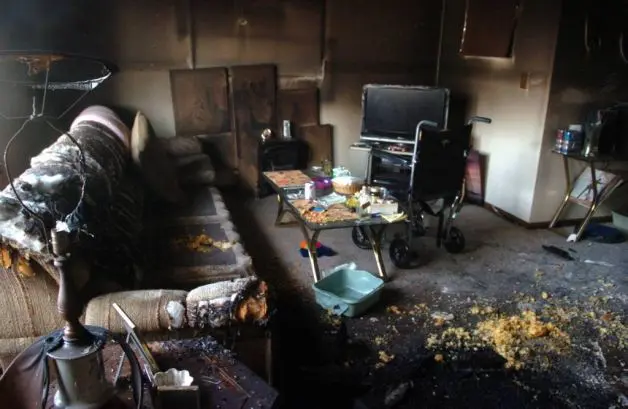
Cleaning up after a fire requires more than removing charred materials and wiping down visible soot. Some of the most costly fire damage cleanup mistakes happen when property owners enter unsafe spaces, use unsuitable cleaning methods, overlook hidden smoke or water damage, or begin repairs before the property has been evaluated.
The safest approach is to confirm that entry is permitted, document the damage, and develop a cleanup plan based on the condition of the structure and its contents. For homeowners and property managers in Tulsa, understanding these mistakes can help protect belongings, avoid additional damage, and make the restoration process easier to manage.
Mistake 1: Entering the Property Before It Is Safe
A building may appear stable from the outside even when fire has weakened structural components or damaged electrical systems. Wet floors, unstable ceilings, broken glass, and exposed wiring can create additional hazards after firefighters leave. Smoke residue and other contaminants may also remain in rooms that escaped direct flame damage.
Do not assume that an extinguished fire means a property is safe to occupy. Wait until the fire department or other responsible authorities allow re-entry, and follow any restrictions they provide. If there are concerns about the structure or utilities, arrange an appropriate professional assessment before accessing affected areas.
Once permitted to enter, limit activity to what is necessary and safe. Avoid switching on damaged electrical equipment, operating heating or cooling systems without clearance, or moving debris that could conceal hazards.
Mistake 2: Focusing Only on Rooms That Burned
Flames are only one part of fire damage. Smoke moves through doorways, gaps, and connected spaces, carrying soot particles that can settle on ceilings, walls, furnishings, and belongings far from the fire’s origin. A nearby room may have little visible damage yet still need careful assessment for residue and odor.
Different materials react differently to smoke exposure. Hard, nonporous surfaces may be candidates for specialized cleaning, while porous materials can absorb residues and odors. The type of material, level of contamination, and duration of exposure all affect whether cleaning is appropriate or replacement should be considered.
Another mistake is treating persistent odors as a separate cosmetic problem. Fragrance sprays or air fresheners can temporarily mask a smell without removing the affected residues. Effective smoke odor removal starts with identifying and addressing sources of contamination, not simply making the air smell different.
Mistake 3: Using Household Cleaning Methods on Soot
Soot is not ordinary household dust. Depending on what burned and how the fire developed, residues may be powdery, oily, sticky, or difficult to remove. Rubbing a stained wall with a damp cloth can spread the residue, and ordinary vacuuming or dry sweeping may disperse particles rather than contain them.
Household cleaners are not automatically appropriate for smoke-damaged paint, wood, fabric, or electronics. A product that works on one surface may leave permanent marks on another or drive contamination farther into porous material. Trying several products without first assessing the residue can complicate later restoration.
Resist the urge to test cleaning methods on valuable furniture, upholstered items, photographs, or decorative finishes. Likewise, do not attempt to clean smoke-damaged electronics and power them on to see whether they work. Electrical equipment may require evaluation by a qualified specialist before reuse.
Professional soot cleanup considers both the nature of the residue and the material underneath it. The goal is to remove contamination while avoiding additional damage to items that may still be restorable.
Mistake 4: Overlooking Water Left Behind by Firefighting
Water used to extinguish a fire can soak flooring, insulation, drywall, cabinets, and personal property. Because the fire damage attracts most of the attention, this moisture may be missed, particularly where it has traveled beneath finishes or into wall cavities.
Standing water should not be treated as a minor inconvenience. Materials may continue absorbing moisture after the visible water is gone, and prolonged dampness can lead to deterioration or microbial growth. The right drying approach depends on how much water entered, which materials were affected, and whether the area can be accessed safely.
Fans alone do not establish that hidden materials are dry. Water removal, drying equipment, and moisture assessment may be needed before damaged areas can be repaired or enclosed. A cleanup plan should account for fire, smoke, and water together rather than treating them as unrelated projects.
Mistake 5: Discarding or Reusing Belongings Without Assessment
After a fire, it can be difficult to know what to save. Throwing away everything with a smoke smell may mean losing items that could have been assessed for restoration. On the other hand, bringing contaminated textiles, furniture, or other belongings into an unaffected room can spread residues and odors.
Start by creating a basic inventory of affected contents, with photographs and descriptions where it is safe to do so. Keep damaged items available for documentation when appropriate, and discuss disposal decisions with the relevant restoration and insurance representatives. Do not consume smoke-exposed food or use products whose safety is uncertain.
Material type matters. A hard-surfaced object, a sentimental photograph, a mattress, and a small appliance cannot all be evaluated by the same standard. Some belongings may be cleaned, some need specialist assessment, and others may require replacement.
Reset Restoration’s fire restoration services include contents inventory, handling, and restoration assistance, allowing decisions about affected possessions to be considered alongside structural cleanup.
Mistake 6: Starting Repairs Before Documenting the Full Loss
Painting stained walls or replacing damaged finishes before the underlying conditions are assessed may conceal soot, moisture, or structural problems. New materials can also be damaged if cleanup and drying are incomplete. An orderly sequence usually begins with safety and stabilization, followed by assessment, appropriate cleaning, material decisions, and then necessary repairs.
Documentation is another step that can easily be rushed. Before nonemergency work changes the appearance of the property, take photographs when safe, record damaged rooms and possessions, and retain relevant receipts and communications. Ask your insurance representative what documentation is required and how proposed work should be coordinated. Coverage and approval depend on individual policies and circumstances.
Urgent protective measures should not be delayed solely to complete paperwork. If doors, windows, or other openings leave the property exposed, professional board-up or stabilization may be necessary. The important distinction is between addressing immediate risks and undertaking permanent reconstruction before the damage is understood.
Practical Steps to Take After a Fire
Once emergency responders have addressed the incident, a simple plan can help you avoid preventable setbacks:
- Confirm that authorities have permitted access and follow all safety restrictions.
- Photograph accessible damage before disturbing rooms or disposing of belongings.
- Avoid scrubbing soot, using household vacuums, or attempting to deodorize affected spaces yourself.
- Report visible water, damp materials, and smoke odors, including those outside the burned area.
- Keep a written list of damaged possessions and important communications.
- Ask which materials will be cleaned, evaluated for replacement, dried, or repaired before reconstruction begins.
Each property will require different steps. Extensive damage, compromised utilities, or suspected contamination calls for qualified assistance rather than a do-it-yourself cleanup attempt.
Plan a Safer Fire Damage Recovery in Tulsa
Avoiding common fire damage cleanup mistakes is ultimately about making the right decisions in the right order. A property should be safe to access, the full extent of fire and secondary damage should be understood, and cleaning should be matched to affected materials before rebuilding begins.
At Reset Restoration, we provide fire damage restoration in Tulsa, including assessment, smoke and soot cleanup, water removal after firefighting, contents assistance, and repairs or reconstruction as needed. If your home or property has experienced a fire, talk with our team about the damage and the appropriate next steps for recovery.