Skip to content
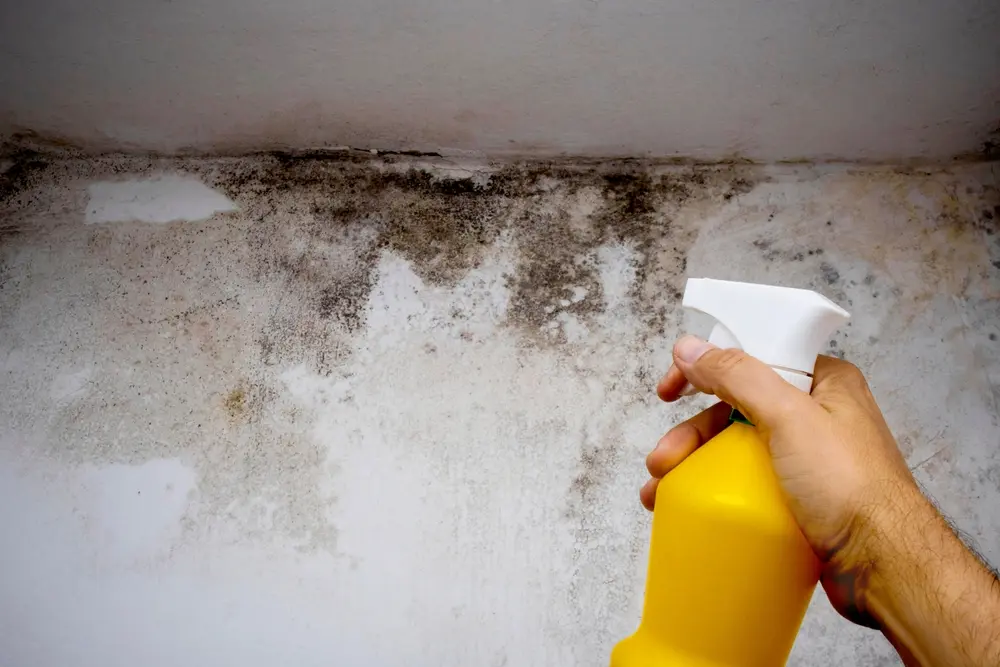
Mold removal and mold prevention solve different problems. Removal addresses mold that is already growing on a surface or inside affected materials, while prevention focuses on controlling the moisture conditions that allow new growth to develop. When contamination is established, effective mold remediation may require both removing affected material and correcting the water problem that caused it.
For Tulsa property owners, the distinction helps clarify when maintenance is enough and when professional evaluation may be needed. The most important principle is simple: cleaning existing mold without addressing unwanted moisture can leave the conditions for another problem in place.
What Is the Difference Between Mold Removal, Remediation, and Prevention?
Mold removal means physically removing existing growth or contaminated materials. This may involve cleaning a suitable surface or removing porous building materials that cannot be adequately cleaned. Methods depend on the affected material.
Mold remediation is a broader process. It begins with understanding the extent of contamination and the contributing moisture source, then managing affected areas, removing contamination through appropriate methods, and addressing conditions that could allow growth to continue. Containment may be necessary when disturbing mold could spread particles into nearby spaces.
Mold prevention is ongoing moisture control before or after remediation. It includes fixing leaks, managing indoor humidity, addressing condensation, and keeping vulnerable areas dry. Prevention cannot remove an established colony hidden inside a wall, just as removal alone cannot repair a leaking pipe. They work together but are not interchangeable.
When Is Mold Removal Necessary?
Visible discoloration, patches of growth, and recurring musty odors can indicate a moisture problem that deserves attention. However, appearance alone cannot establish what type of mold is present or how far contamination extends. Dark-colored growth is not automatically a particular species, and the absence of a visible patch does not rule out mold concealed behind materials.
A small amount of growth on an accessible, hard, washable surface may sometimes be managed through appropriate routine cleaning, provided the source of moisture is corrected and conditions are safe. Not every problem is suitable for DIY cleaning. Extensive growth, repeated contamination, water-damaged porous materials, or uncertain conditions inside a wall call for a more careful evaluation.
For example, spots that form on a bathroom surface after poor ventilation present a different situation from growth on drywall following an unnoticed plumbing leak. The first may primarily require improved moisture management and surface care. The second can involve material damage beyond what is visible. Avoid scraping, sanding, or disturbing a potentially widespread contaminated area without proper assessment.
What Does Professional Mold Remediation Address?
Professional remediation is intended to manage an existing contamination problem in a controlled way rather than just improve how a room looks. While the exact scope varies, an appropriate plan considers several connected questions: Where is the moisture coming from? Which materials have been affected? Can those materials be cleaned effectively? Is containment needed while work occurs?
Depending on the findings, remediation can involve isolating an area, removing contaminated materials, cleaning appropriate surfaces, controlling moisture, and preparing damaged spaces for restoration. Porous drywall or insulation may require a different decision from an intact, nonporous fixture. Airflow and access also matter because disturbing contaminated materials without precautions may spread particles.
Reset Restoration offers mold remediation in Tulsa, with services that include damage assessment, containment, moisture-source attention, removal of affected materials, and reconstruction when necessary. The scope depends on the actual conditions.
How Does Mold Prevention Work?
Prevention starts with water. Mold can develop when moisture remains available to organic materials such as paper-faced drywall, wood, or dust. You cannot eliminate all naturally occurring mold spores from an indoor environment, but you can make conditions less favorable for indoor growth.
A useful prevention routine includes:
- Repairing dripping supply lines, plumbing joints, and other leaks promptly.
- Checking under sinks, around appliances, and near windows for dampness or staining.
- Using bathroom and kitchen exhaust ventilation as appropriate and making sure vents operate correctly.
- Addressing recurring window condensation and maintaining reasonable indoor humidity, generally below 50% when practical.
- Having wet building materials evaluated and dried appropriately after leaks or water intrusion.
- Keeping gutters, drainage paths, and exterior openings in good condition to reduce preventable water entry.
Prevention does not substitute for removal of established growth. It works best when directed at a specific moisture problem.
Why Can Mold Return After It Has Been Cleaned?
Recurring mold commonly signals that the conditions responsible for the earlier growth were not fully corrected. A surface can look clean for a period while a slow leak, trapped moisture, or repeated condensation continues to affect the same area. Simply painting over staining or applying a product without addressing the source may hide the warning sign rather than resolve the problem.
It is also possible to clean what is visible while leaving affected porous material behind. For instance, a wall may appear dry on its painted side even though moisture remains around plumbing or insulation. The right next step is to investigate the underlying condition, not repeatedly scrub the same spot and assume it is harmless.
Successful remediation reduces an existing problem, while consistent moisture management reduces the likelihood of recurrence. Neither can guarantee that mold will never develop again if a new leak or moisture event occurs.
How Do You Decide Which Approach Your Property Needs?
The most useful question is not whether removal or prevention is better overall. It is whether you are dealing with an active contamination problem, an ongoing moisture risk, or both.
Prevention may be the primary need when there is no known mold growth but rooms regularly feel damp, condensation accumulates, or a past leak has been repaired. Focus on identifying moisture patterns, improving ventilation, and monitoring the affected areas.
Removal or remediation may be necessary when growth is visible, contamination returns after cleaning, or water-damaged materials may be affected. The extent of the problem and the materials involved help determine the response.
Both are usually necessary when established mold is connected to a continuing leak or moisture intrusion. Addressing only the growth can leave the cause behind; addressing only the leak may leave contaminated materials in place.
For rental or commercial properties, occupied spaces, neighboring rooms, and shared moisture sources can influence remediation planning.
What Should You Do After Mold Remediation?
After work is completed, prevention becomes part of ordinary property maintenance. Ask what moisture source was identified, what materials were cleaned or removed, and which conditions should be monitored. If repairs or reconstruction were needed, understand what work was completed before finishes were replaced.
Keep records of leaks, repairs, and any recurring signs of moisture. Recheck areas where problems previously developed, especially around plumbing, windows, and poorly ventilated rooms. If dampness or musty odors return, investigate promptly rather than waiting for visible growth to become extensive.
In a home or business with repeated water intrusion, prevention may also involve ongoing maintenance beyond the immediate remediation area. The aim is not to promise a permanently mold-free building, but to reduce avoidable moisture conditions and recognize new problems earlier.
Choose the Right Response to Mold in Tulsa
Mold removal addresses contamination that exists today. Mold prevention helps reduce the conditions that might allow it to develop tomorrow. When a property has both existing growth and unresolved moisture, a complete response considers both rather than treating them as competing options.
At Reset Restoration, we help Tulsa-area property owners evaluate mold damage and plan appropriate remediation, moisture-related work, and restoration where needed. If growth keeps returning or you suspect contamination after a leak, request a mold remediation consultation to discuss the conditions and appropriate next steps.